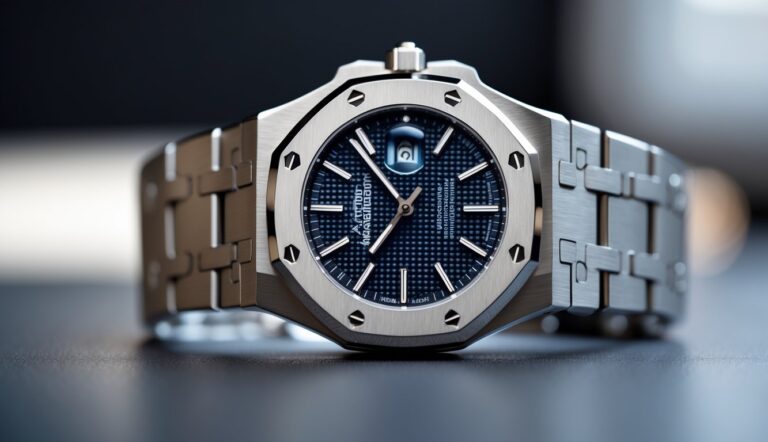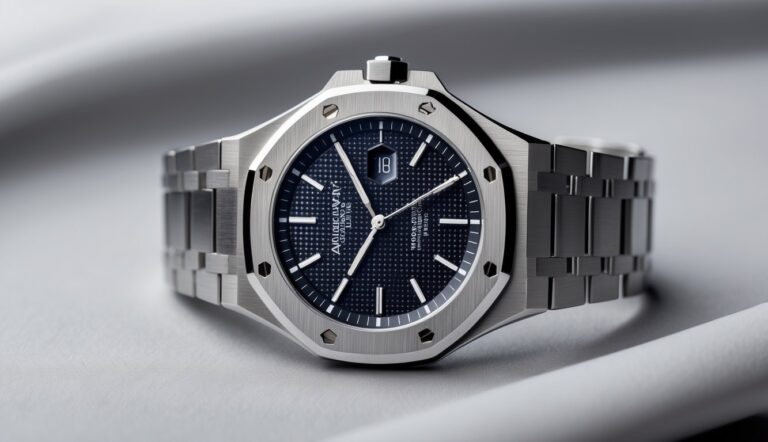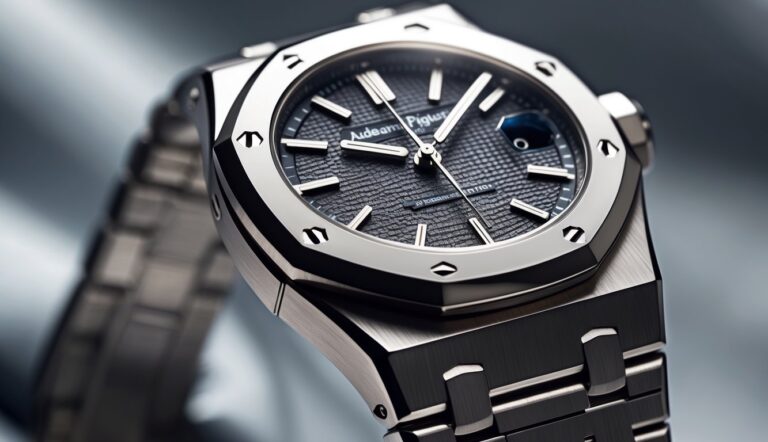
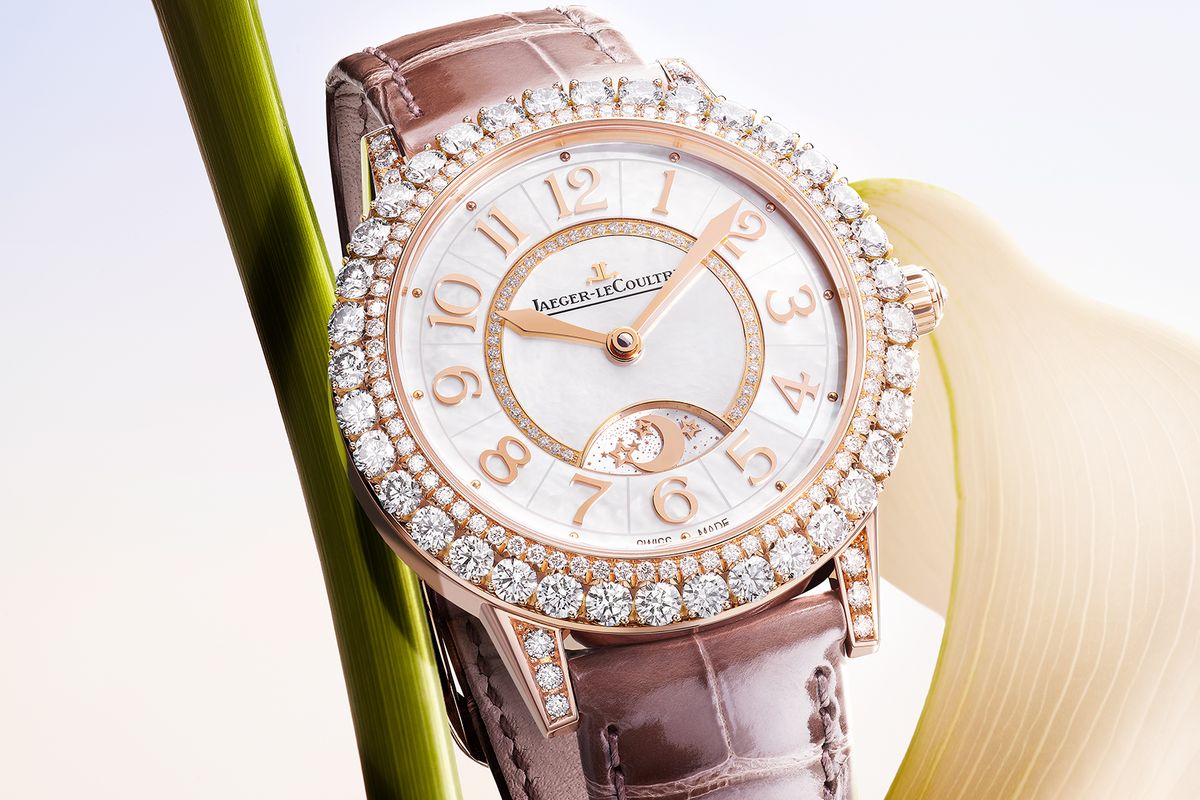
You can turn a Jaeger-LeCoultre into a reliable long-term asset when you choose models with proven provenance, limited production, and strong brand heritage. A well-chosen Jaeger-LeCoultre can preserve value and even appreciate over years, especially if you focus on iconic references, maintain full documentation, and buy from reputable sources.
This article walks you through what makes Jaeger-LeCoultre watches investable, how they have performed compared with other luxury collectibles, and practical steps to pick and preserve pieces that give you the best chance of long-term upside. Expect clear criteria for selection, preservation tips to protect value, and a realistic look at risks so you can decide whether adding Jaeger-LeCoultre to your portfolio suits your goals.
Understanding Jaeger-LeCoultre Luxury Watches
Jaeger-LeCoultre combines deep technical innovation with refined, wearable design. You’ll find a long lineage of in-house movements, signature complications, and collections that suit both formal and sporty tastes.
History and Heritage of Jaeger-LeCoultre
Founded in 1833 by Antoine LeCoultre in Le Sentier, the manufacture quickly became known for technical breakthroughs. You can trace key innovations such as precision measuring instruments, the first million-meter measuring device, and numerous in-house calibres that established JLC’s reputation among watchmakers.
The brand built a culture of vertical integration: you’ll find most components, movements, and finishing produced under one roof. This allows rapid prototyping and long-term continuity—factors that matter when you assess authenticity and serviceability for investment pieces.
Since the 20th century, JLC created icons like the Reverso and contributed movements to other top maisons. Today, as part of Richemont, the maison maintains independent technical excellence while benefiting from wider distribution and restoration resources.
Defining Characteristics of Jaeger-LeCoultre Timepieces
Jaeger-LeCoultre watches emphasize in-house calibres, precise finishing, and balanced design. You can expect movements that prioritize thinness, reliability, and mechanical complexity—many carrying manufacture serial numbers and detailed finishing visible through sapphire casebacks.
Key technical traits include micro-rotors, ultra-thin movements, multi-register complications (calendar, minute repeater, tourbillon), and proprietary innovations protected by numerous patents. You’ll also notice restrained aesthetics: clean dials, applied indices, and cases that shift easily between dress and casual contexts.
When evaluating a JLC for long-term ownership, check movement provenance, service history, and originality of parts. These concrete details affect performance, resale value, and the cost of future servicing.
Popular Jaeger-LeCoultre Collections
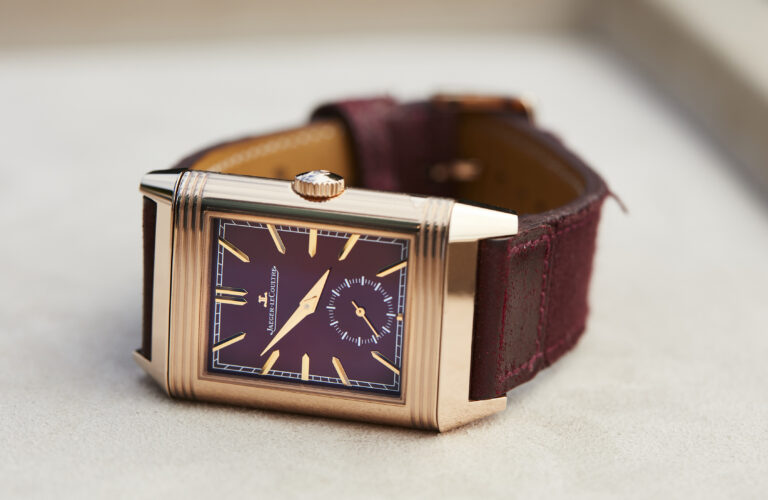
Reverso: Recognizable for its rectangular, reversible case created for polo players; you’ll find time-only, dual-time, and highly complicated Reverso models that vary widely in price and investment profile.
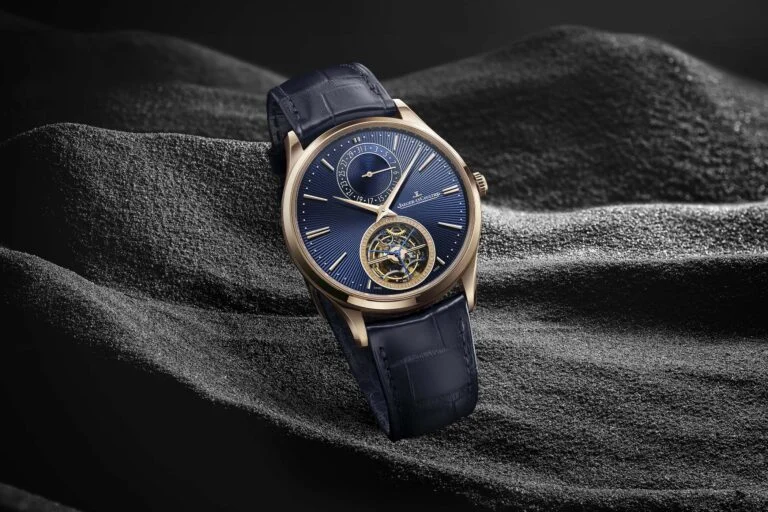
Master Control: Focuses on classical round cases, slim profiles, and timepieces with date, moonphase, and chronograph options. These watches represent JLC’s watchmaking fundamentals and often offer the best balance of classic style and technical substance.
Polaris and Atmos: Polaris covers sporty, versatile tool-watch designs inspired by a 1968 Memovox diver, while Atmos clocks showcase the maison’s clocks powered by temperature changes—collector pieces that demonstrate technical showmanship.
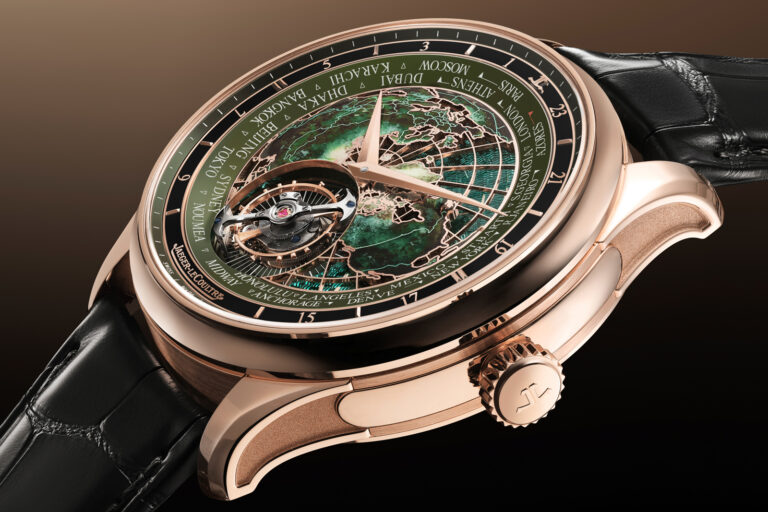
Hybris Mechanica and high complications: These push technical boundaries with repeaters, perpetual calendars, and multi-axis tourbillons. You’ll see these at the top of the market, often produced in limited runs, making them the most collectible and potentially highest-appreciation pieces.
Factors That Make Jaeger‑LeCoultre Watches Valuable Investments
You’ll find value in JLC watches from deep technical skill, controlled scarcity, and choices of materials and movements that collectors specifically prize. Each factor affects resale, collectibility, and long‑term desirability in measurable ways.
Brand Reputation and Craftsmanship
Jaeger‑LeCoultre’s history of in‑house movements and continuous technical innovation directly supports value. You benefit because JLC manufactures many components—escapements, complications, and finishing—under one roof, which collectors equate with reliability and provenance.
Look for hallmark features such as the Calibre 822, atmospheric reserve indicators, and the Maison’s hand‑finished bridges. These specifics matter to buyers who compare movement lineage and finishing against other marques.
Serviceability also boosts resale. You keep value when authorized service parts and documented maintenance records exist. Watches with factory‑stamped service history command higher prices than pieces lacking provenance.
Limited Editions and Rarity
Limited runs and boutique‑exclusive variants create immediate scarcity that you can quantify by production numbers. If a Reverso or Master Control model shows “1 of 500” on the caseback, that labeling translates into tighter supply and more interest on the secondary market.
Vintage and rare references matter too. You should track serial ranges and year‑of‑production markers; small serial windows often yield stronger auction results. Special dials, unique engravings, and discontinued colorways also increase collectibility.
Be mindful that not every limited edition appreciates. Editions tied to meaningful complications, historical ties, or low production—rather than simple cosmetic differences—tend to perform better.
Material Selection and Movement Innovation
The materials JLC uses—18k pink gold, titanium, and high‑grade stainless steel—affect both durability and perceived value. Precious metals usually support higher resale floors, while titanium and ceramic variants appeal to niche buyers seeking modernity and lightness.
Movement innovation drives long‑term interest. You profit when watches incorporate patented mechanisms (e.g., ultra‑thin calibres, jumping hours, or sophisticated tourbillons) that demonstrate engineering leadership. Complications with demonstrable durability and service pathways retain value better than fragile novelties.
When evaluating a model, compare its material composition, caliber designation, and any patented features. Those concrete data points give you a clearer forecast of future demand than brand name alone.
Performance of Jaeger-LeCoultre Watches as Long-Term Investments
Jaeger-LeCoultre combines durable craftsmanship with selective market demand, so your potential returns depend on model, rarity, and condition. Expect steady, model-specific appreciation rather than rapid, broad-market gains.
Historical Price Trends
Certain JLC models have shown steady appreciation over the past decade, notably vintage Reverso variants and limited editions. Price growth tends to be gradual; ChronoPulse-style indices have reported mid‑teens percentage gains over five-year windows for the brand overall, but that masks wide variance between references.
Condition, original box and papers, and service history materially affect resale. Production-era pieces and low-production complications (e.g., early Gyrotourbillon or rare minute repeaters) often outperform standard models. Avoid assuming every new release will gain value—many modern JLCs hold value well but appreciate slowly.
Demand in Collector Markets
Collectors prize JLC for movement innovation and design heritage, which supports demand for specific lines like Reverso, Master Control, and select complicated pieces. You’ll find highest demand for pieces with documented provenance, limited runs, or iconic design cues.
Liquid secondary-market interest concentrates in Europe, North America, and parts of Asia, with auction houses and specialist dealers driving price discovery. Your ability to time sales—auction seasonality and market sentiment—can influence realized returns more than small year-to-year index movements.
Comparison With Other Luxury Watch Brands
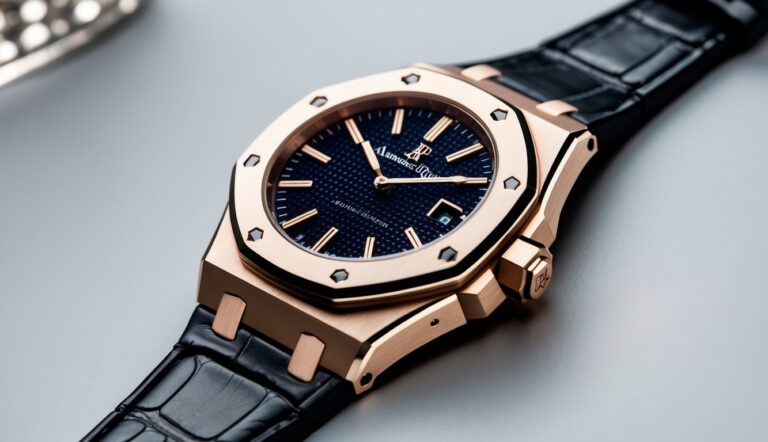
JLC typically lags top-tier brands like Patek Philippe, Audemars Piguet, and Rolex in broad resale performance. Those names command premium scarcity-driven premiums that JLC does not consistently match.
That said, JLC beats many mid-tier luxury brands on technical prestige and long-term stability. If you compare by category:
- High-end complication (Patek/Audemars): often higher upside.
- Classic dress/complication (JLC): steadier, less speculative growth.
- Entry-luxury (many Swiss brands): JLC usually retains value better.
If your priority is steady, craftsmanship-backed appreciation rather than speculative jumps, JLC can fit your strategy—provided you choose the right references and maintain impeccable provenance.
How to Select Jaeger-LeCoultre Watches for Investment
Focus on specific references, condition and paperwork, and market timing. Prioritize models with historical demand, confirm full authenticity and service history, and buy when supply or pricing briefly favors collectors.
Identifying High-Potential Models
Look for models with documented collector interest and limited supply. Reverso references from early production runs, vintage Memovox alarm pieces, and complicated Hybris Mechanica or Gyrotourbillon releases routinely attract collectors. Limited editions and pieces with unique dials or provenance also outperform generic production runs.
Check auction records and specialist indexes for realized prices over the past 5–10 years. Favor stainless steel or rare-complication pieces that show steady appreciation rather than one-season hype. Avoid standard entry-level Masters without rarity; they hold emotional value but typically not strong resale gains.
Evaluating Condition and Authenticity
Prioritize watches with complete boxes, original papers, and a verifiable service history. Original dials, hands, and movements dramatically affect value; refinished dials or replaced parts reduce resale potential. Request high-resolution photos or an in-person inspection of the caseback, movement engravings, and serial numbers.
Use an authorized Jaeger-LeCoultre service center or trusted watchmaker to confirm movement authenticity and service intervals. Documented recent service can increase buyer confidence, but also ask for receipts to confirm genuine parts were used. For vintage pieces, provenance (previous owner history, original invoice) adds measurable value.
Timing Your Purchase
Watch secondary markets move in cycles; enter when demand softens or when a specific model sees short-term correction. Monitor auction calendars, dealer inventories, and ChronoPulse-style indices to spot downward price windows or oversupply for a model you want.
Buy during off-peak seasons or when collectors chase a different brand category. Set alerts for specific references and be ready to act when a well-documented piece appears at a fair price. If you target vintage or limited editions, patience often yields the best entry price.
Preserving and Increasing the Value of Jaeger-LeCoultre Watches
Keep your JLC in top condition, store it securely, and maintain complete paperwork to protect resale value and desirability.
Maintenance and Professional Servicing
Service your Jaeger-LeCoultre at the recommended intervals—generally every 4–6 years for mechanical movements.
Use only authorized JLC service centers or accredited watchmakers who follow JLC specifications; they have the correct parts, lubricants, and timing equipment.
Get a full service when you notice issues: loss of accuracy beyond manufacturer limits, moisture under the crystal, or irregular winding.
Minor checks (pressure testing, timing checks) can be done more often to catch problems early and avoid costly damage.
Keep service records and receipts every time you send the watch in.
Documented, factory-authorized servicing increases buyer confidence and typically preserves resale value more than unverified repairs.
Safe Storage and Handling
Store your watch in a stable, low-humidity environment away from direct sunlight and strong magnetic sources.
Use a sealed watch box with silica packets or a climate-controlled safe if you live in a humid area.
For automatic models you don’t wear daily, use a quality watch winder set to the correct turns-per-day for the caliber.
Overwinding isn’t a risk on modern automatics, but wrong settings can accelerate wear.
Handle the watch with clean hands and avoid contact with harsh chemicals (solvents, perfumes).
Remove the watch for strenuous activity to prevent shocks and scratches, and use strap protectors when fitting or storing leather bands.
Documentation and Provenance
Keep the original box, warranty card, receipt, and any service invoices together in a safe place.
Original packaging and factory documentation can add a measurable premium at resale, especially for limited editions and collectible references.
Photograph the watch (front, back, movement if possible) and log serial numbers and service history in digital and physical formats.
A clear provenance trail reassures buyers and collectors about authenticity and condition.
If you buy vintage or rare JLC pieces, try to obtain a letter of authenticity or archive extract from Jaeger-LeCoultre.
These documents can significantly increase market interest and help establish the watch’s historical and monetary value.
Risks and Considerations for Watch Enthusiasts
You should weigh price volatility, resale practicality, and authenticity risks before treating a Jaeger‑LeCoultre as an investment. Each of these areas affects potential returns and ongoing costs in distinct ways.
Market Fluctuations
Jaeger‑LeCoultre models rarely match the rapid, hype-driven appreciation of certain sports watches. Expect slower, model‑specific gains that hinge on rarity, complication, and collector demand rather than broad brand momentum. Economic cycles matter: luxury watch prices can dip during recessions or shift as tastes change, especially for dress watches versus tool or sports pieces.
Track auction results and dealer listings for the exact model and reference number you own or want. Provenance, limited editions, and well‑documented service history can stabilize value, while heavy use, missing box/papers, or common references typically suppress resale prices.
Liquidity and Resale Challenges
Selling a JLC can take time and cost money. You may face weeks or months to find a buyer at your target price, particularly for niche complications like minute repeaters or obscure vintage references. Primary sales channels—authorized dealers, specialist dealers, auctions, and peer marketplaces—each carry different fees and timelines.
Factor in: dealer commissions (10–30%), auction buyer/seller fees, authentication and service costs, and potential price negotiation. If you need quick cash, expect to accept a discount. Keep original packaging, warranty cards, and recent service records to improve liquidity and net proceeds.
Counterfeit Watch Dangers
Counterfeits and parts‑swapped JLC watches circulate, especially online and in informal marketplaces. You must verify serial/reference numbers, movement finishing, and manufacturer hallmarks. High‑resolution photos can reveal inconsistencies in dial printing, case finishing, and buckle stamps.
Use a checklist when buying:
- Request full‑resolution photos of movement, caseback, and inside lugs.
- Verify serial numbers with an authorized service center when possible.
- Prefer sellers with verifiable feedback, return policies, and documented service invoices.
If uncertain, have the watch inspected by a certified watchmaker or an authorized Jaeger‑LeCoultre boutique before completing the purchase.
Conclusion
You can treat a Jaeger‑LeCoultre as more than a timepiece: it can be a durable collectible with potential for value retention and appreciation when you choose wisely. Focus on models with historical significance, limited production, and excellent provenance to improve your chances.
Maintain original condition and documentation. Service history, box, and papers directly affect market value and buyer confidence. Regular professional servicing preserves function without unnecessarily diminishing originality.
Balance passion with prudence. Buy what you love first, and consider potential resale value second. Diversify if your aim is investment, and avoid relying solely on any single watch or brand.
Use trusted channels for acquisition and sale. Reputable dealers, auction houses, and specialist marketplaces reduce fraud risk and help you access fair pricing. Insure high‑value pieces and store them securely.
Quick checklist:
- Verify serial numbers and provenance.
- Preserve original packaging and paperwork.
- Keep service records and use authorized service centers.
Your approach matters as much as the model you pick. With patient, informed choices and careful stewardship, a Jaeger‑LeCoultre can serve both your appreciation for craftsmanship and your long‑term collecting goals.
About the Author