You recognize Jaeger‑LeCoultre the moment you see its balance of refined design and mechanical mastery. You get watches that pair centuries of Swiss watchmaking expertise with inventive complications and elegant finishes, so wearing one means claiming both technical excellence and timeless style.
This article will show how Jaeger‑LeCoultre’s legacy, signature models, and in‑house innovations shape its luxury appeal, and how bespoke services, collectibility, and ethical practices factor into ownership. Expect clear examples of notable complications, design cues, and how the brand bridges heritage and modernity to make a lasting statement on your wrist.
The Legacy of Jaeger-LeCoultre
You encounter a watchmaker whose history begins in 1833, when Antoine LeCoultre founded a workshop focused on precision and innovation. The maison built capabilities to design, produce, and finish almost every component in-house, a rarity that ensures tight quality control.
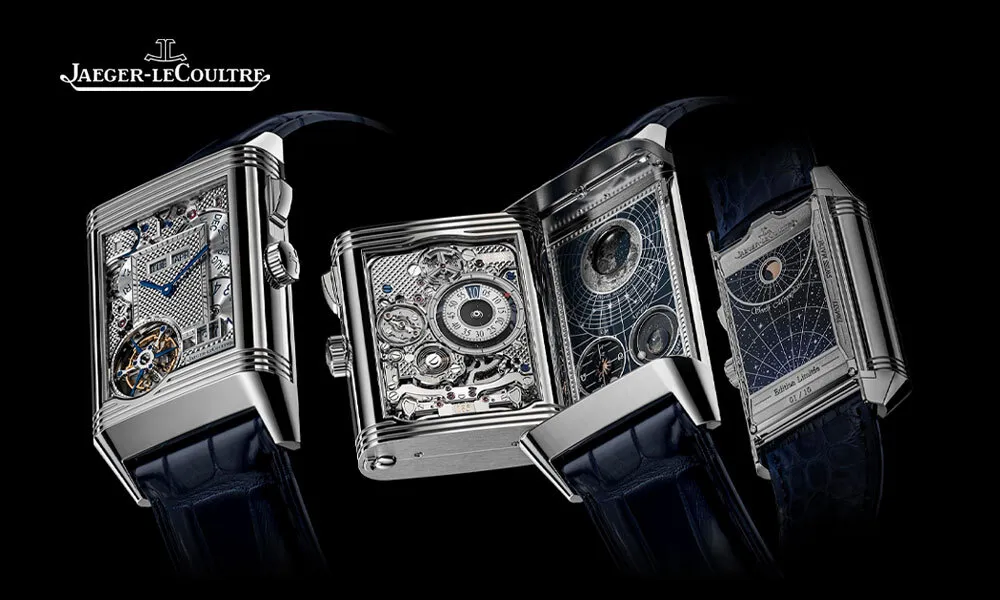
You will notice Jaeger‑LeCoultre’s influence across watchmaking: they pioneered chiming mechanisms and ultra‑thin movements, and they created iconic designs like the Reverso with its reversible case. These achievements reflect a continuous drive to solve technical challenges while preserving elegant aesthetics.
The brand’s role within the Richemont group since 2000 strengthened its global reach without diluting its technical identity. You still find evidence of the original manufacture ethos in modern collections that balance complication with wearable design.
Key facts at a glance:
- Founded: 1833 by Antoine LeCoultre
- Strengths: in‑house manufacture, complications, finishing
- Iconic model: Reverso (reversible case)
- Notable innovations: chiming watches, ultra‑thin calibers, multi‑axis tourbillons
You can expect Jaeger‑LeCoultre timepieces to emphasize mechanical ingenuity and discreet luxury. Their watches appeal to collectors who value craftsmanship, long technical heritage, and subtle design rather than bold branding.
Signature Luxury Appeal
You get tangible luxury through material choices, visible hand-finishing, and the rarity of limited runs. These elements define the look, feel, and investment potential of a Jaeger-LeCoultre timepiece.
Exclusive Materials and Finishes
Jaeger-LeCoultre uses precious metals like 18k rose, white, and yellow gold, plus platinum, for many cases and bracelets. Ceramic and titanium appear in sportier Polaris and Master Control models to reduce weight and resist scratches.
Dials often feature enamel, guilloché, or sunray brushing that shifts appearance under different light. You’ll notice applied indices and hands in gold or blued steel for better legibility and a refined aesthetic.
Finishing extends to case polishing and satin-brushing that define light reflections. Crystal choices include sapphire with anti-reflective coatings to preserve clarity. These tangible details affect resale value and daily wear comfort.
Craftsmanship and Hand-Finishing
You encounter hundreds of precise operations in each movement, many performed by hand at JLC’s manufacture in Switzerland. Movement parts undergo anglage (bevelling), perlage (circular graining), and Côtes de Genève to improve durability and visual appeal.
Watchmakers assemble, regulate, and test complications—such as the Memovox alarm or Duomètre dual-wing system—on dedicated benches. Final quality control includes timing checks across positions and power-reserve verification.
Hand-finishing makes each piece feel unique: screw heads, jewel settings, and bridges receive human attention that machines can’t fully replicate. That craftsmanship translates into consistent performance and collectible desirability.
Limited Edition Collections
Limited editions create scarcity and specific design statements for collectors. You’ll find numbered runs, unique dial colors, or rare complications tied to anniversaries like Reverso milestones or Polaris revivals.
These pieces often combine unusual materials—meteorite dials, enamel, or bespoke gemstone settings—with special engraving on casebacks. Manufacturers publish edition sizes and certificates, which you should verify to confirm authenticity.
Limited runs tend to hold or increase value when provenance, condition, and original packaging remain intact. If you seek a distinctive piece, target editions with documented demand and clear documentation.
Innovative Technology in Jaeger-LeCoultre Watches
Jaeger-LeCoultre combines in-house movement development, complex mechanical functions, and rigorous precision testing to deliver watches that balance technical performance with refined finishing. You get mechanisms designed and produced under one roof, complications engineered for reliability, and timekeeping verified to strict standards.
Advanced Movement Engineering
Jaeger-LeCoultre develops and manufactures movements entirely within its Manufacture in Le Sentier. You benefit from calibres that range from ultra-thin automatics to multi-barrel mainspring systems, each finished by hand and often incorporating proprietary components such as specially shaped balance springs and optimized escapements.
The brand frequently uses twin-barrel architectures to increase power reserve and stabilize amplitude over time. You’ll also find modular construction on some models, which simplifies servicing while allowing varied complications on a common base calibre.
Key technical features:
- In-house balance springs and hairsprings for improved isochronism.
- Integrated bridges and skeletonized plates for rigidity and decoration.
- Low-profile gear trains in ultra-thin calibres to preserve slim case profiles.
These choices reduce friction, improve energy distribution, and support long-term reliability without compromising the aesthetic refinement you expect.
Cutting-Edge Complications
Jaeger-LeCoultre has a longstanding record of inventing and refining complications that serve practical and aesthetic purposes. You can choose models with minute repeaters, perpetual calendars, and the emblematic Reverso’s dual-face functions. Each complication emphasizes mechanical clarity and user interaction—repeaters with optimized gongs for clearer tone, calendars with quick-set correctors, and multi-axis displays that remain readable.
The Duomètre concept separates energy sources for timekeeping and complications, which enhances chronometric stability when using features like chronographs or alarms. You’ll also see refinements such as silent pushers, column-wheel chronograph controls, and finely tuned striking mechanisms that prioritize tactile feedback and acoustic performance.
Precision and Reliability
Jaeger-LeCoultre places measurable accuracy and long-term reliability at the center of its engineering decisions. You receive movements that undergo extensive timing regulation across multiple positions and temperatures to minimize daily variation. Many Master Control pieces are subjected to 1,000-hour control tests that simulate real-world wearing conditions, including continuous operation and shocks.
Material selection and surface treatments—like anti-magnetic alloys for balance components and treated pivots—reduce wear and maintain lubrication performance. Serviceability factors, such as modular components and clearly accessible adjustment points, make maintenance more predictable, extending the practical lifespan of your watch.
Exquisite Design Language
Jaeger-LeCoultre pairs recognisable silhouettes with meticulous finishing and balanced proportions. You’ll see a consistent focus on legibility, material contrast, and engineered elegance across its collections.
Iconic Watch Models
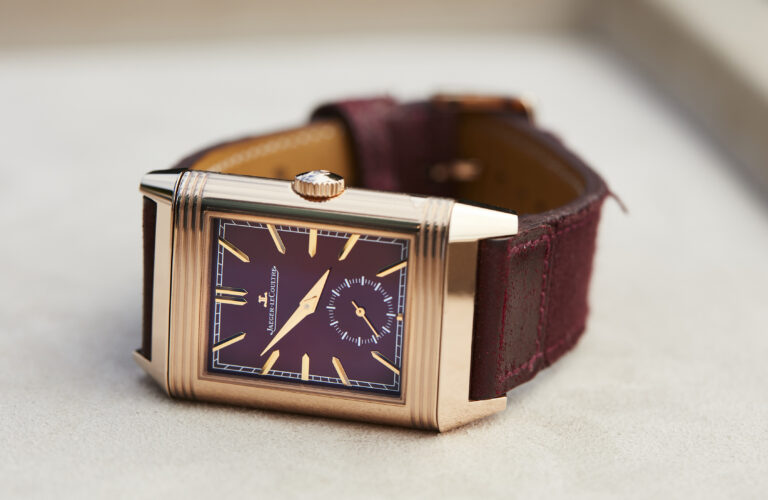
You encounter the Reverso immediately when exploring Jaeger‑LeCoultre’s icons. Its rectangular, reversible case originated in 1931 to protect the dial during polo; today it houses everything from simple time-only movements to high complications like tourbillons and perpetual calendars. The Reverso’s brushed and polished planes, stepped gadroons, and Art Deco dial layouts create a signature visual grammar you can identify at a glance.
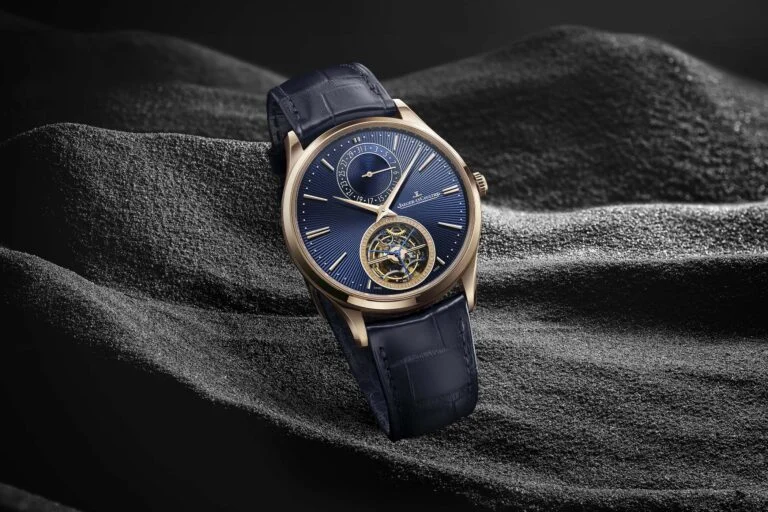
The Master Control and Master Ultra Thin lines emphasise purity and restraint. Expect round cases, slim profiles, and clean dials with applied indices that prioritise readability. The Polaris family channels sportier cues—bold Arabic numerals, rotating inner bezels, and stronger lume—so you can choose between dress, everyday, and sports expressions while staying within the same Maison aesthetic.
Aesthetic Harmony and Proportions
You’ll notice Jaeger‑LeCoultre balances dial elements with case size to preserve harmony. Hands, indices, subdials, and logo scale relative to diameter rather than using fixed templates. This approach keeps small-seconds or moonphase displays readable on both 34 mm and 42 mm models.
Material finishes play a key role. Polished bevels catch light against satin-brushed surfaces to define contours without visual clutter. Dial textures—sunburst, enamel, guilloché—provide depth while maintaining contrast with polished hands. When complications are present, Jaeger‑LeCoultre spaces elements to avoid crowding; subdials sit in proportion, and chapter rings or minute tracks retain clear separation for instant legibility.
Distinctive Case Shapes
You will find three dominant case philosophies: rectangular, round, and cushion/tonneau variations. The Reverso’s rectangular case features a patented swivel mechanism and stepped bezel lines that read as both elegant and purposeful. Round cases appear across Master and Polaris models and often use thin bezels to maximise dial real estate.
Cushion or tonneau shapes appear in limited editions and certain vintage-inspired pieces, offering a softer silhouette while preserving wrist comfort. Case thickness is carefully controlled; ultra-thin models use slim movements and recessed crystal profiles, whereas sports models increase height to accommodate water-resistance and internal bezels. Lug geometry also varies—straight, tapered, or teardrop—to adjust how the watch sits and to refine the perceived proportions on your wrist.
Heritage and Modernity Combined
Jaeger‑LeCoultre pairs century‑old watchmaking techniques with contemporary materials and complications. You get classic hand-finishing and in-house calibers alongside modern design choices and technical refinements.
Timeless Traditions
You encounter traditional craftsmanship in every movement finished at the Vallée de Joux manufacture. Components like bridges and plates receive anglage, perlage, and Geneva stripes by skilled artisans, ensuring visual and mechanical longevity.
Many models use in-house calibers that trace technical lineage back to innovations JLC introduced in the 19th and 20th centuries, such as compact automatic winding systems and alarm movements like Memovox.
You also see heritage in case shapes and dial layouts. The Reverso’s rectangular case and the Master Control’s classic round proportions reference original designs while preserving functional clarity.
If you value provenance, the brand’s Heritage Gallery and archival reissues demonstrate how original blueprints and historical pieces inform current production.
Contemporary Influences
You notice contemporary influence in materials, manufacturing methods, and complication integration. JLC uses modern alloys, silicon components, and advanced lubrication approaches to improve chronometric stability and service intervals.
Case and dial finishing now often combine traditional techniques with CNC precision, allowing slimmer profiles and tighter tolerances without losing hand‑made touches.
Design language also shifts toward current tastes: sportier dimensions, ceramic or DLC coatings, and openworked dials appear alongside vintage reissues.
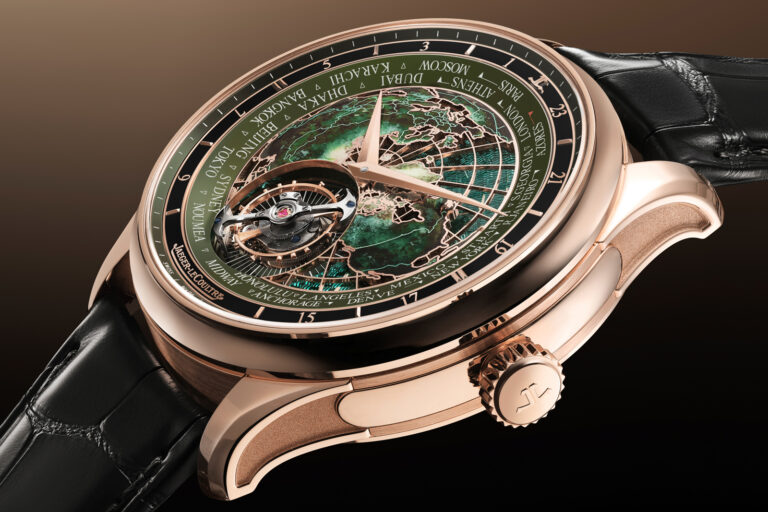
Complications evolve too—modern tourbillons, chronographs, and integrated perpetual calendars benefit from contemporary engineering while remaining fully executed in‑house, giving you cutting‑edge performance with clear ties to the brand’s historical expertise.
Personalization and Bespoke Services
You can customize a Jaeger‑LeCoultre to reflect personal taste and meaningful moments. The Reverso offers a particularly recognizable canvas for engraving or enamel work on its reversible case back.
Engraving services let you add initials, dates, or short messages. Skilled artisans execute precise, lasting engravings that integrate with the watch’s finish.
You may choose bespoke dial options or special finishes through the brand’s personalization programs. These options include tailored colors, materials, and sometimes hand‑crafted dial treatments.
Registering your timepiece and joining the Care Program extends warranty and helps coordinate aftercare for customized pieces. This ensures your bespoke elements remain protected during servicing.
Key personalization services at a glance:
- Engraving: initials, dates, short messages
- Dial customization: color, material, special treatments
- Care Program & warranty extension: up to 8 years when registered
When you commission bespoke work, expect collaboration with trained advisors and watchmakers. That process balances your wishes with technical constraints and the brand’s standards for durability and legibility.
Investment Value and Collectibility
You should view Jaeger-LeCoultre watches as both wearable craftsmanship and potential collectible assets. Their long history, in-house movements, and signature models (like the Reverso and Master series) support steady demand among collectors.
Rarity and model significance strongly affect resale performance. Limited editions, complicated movements, and historically important references typically command higher prices and better liquidity on the secondary market.
Condition, provenance, and service history matter as much as the model. A complete set—box, papers, and documented servicing—will usually sell faster and at a premium compared with incomplete examples.
Use these practical criteria when assessing investment potential:
- Scarcity: limited runs and discontinued models increase collectibility.
- Technical merit: in-house calibers and complications boost long-term value.
- Market sentiment: auction results and collector interest create short-term price swings.
You should expect mixed short-term returns and clearer appreciation over longer horizons. Data from recent indexes shows modest average growth for JLC over five-year windows, but performance varies widely by reference.
If you plan to buy for investment, prioritize condition and selectivity. Buy pieces you enjoy wearing, because emotional value reduces pressure to sell during market dips.
Jaeger-LeCoultre in Popular Culture
You will often spot Jaeger-LeCoultre timepieces on red carpets and at major cultural events. The brand’s presence at the Academy Awards and fashion galas reinforces its image as a symbol of refined luxury.
Celebrities and tastemakers wear models like the Reverso and Master Control, which helps the watches gain visibility beyond enthusiast circles. This visibility supports brand heritage without overstating mainstream popularity.
You can see Jaeger-LeCoultre referenced in film and art collaborations, where craftsmanship and design meet cultural storytelling. Limited editions inspired by artists or cinematic themes connect collectors and general audiences with the Manufacture’s creative side.
Key cultural touchpoints:
- Red carpet appearances (Oscars, Met Gala) that showcase classic and contemporary models.
- Collaborations with artists and special exhibitions that highlight artisanal skills.
- Editorial and celebrity endorsements that maintain desirability among style-conscious buyers.
You benefit from this cultural positioning when choosing a Jaeger-LeCoultre: it signals both technical pedigree and tasteful visibility. The brand remains especially appealing if you value watches that carry historical depth and visible cultural relevance.
Sustainability and Ethical Practices
You can expect Jaeger‑LeCoultre to frame sustainability as an ongoing commitment rather than a one‑time achievement. The manufacture emphasizes responsible sourcing and long-term stewardship of its Vallée de Joux environment.
Jaeger‑LeCoultre uses certified ethical materials such as Fairmined gold and participates in industry certification schemes. These efforts reduce the environmental and social risks tied to raw material supply chains.
You will find the brand engages with recognized standards and organizations to validate its practices. Certification by groups like the Responsible Jewellery Council shows third‑party recognition of ethical steps taken.
The company integrates sustainability across operations — from production processes to workforce practices. You benefit from measures aimed at lowering emissions, cutting wastewater, and improving circularity in product design.
Key points at a glance:
- Ethical sourcing: use of Fairmined gold and supplier standards.
- Certifications: membership and certifications that provide external verification.
- Environmental focus: initiatives targeting carbon, water, and material circularity.
You should view these actions as part of a broader journey toward more sustainable luxury. The brand communicates transparency about progress, while continuing to develop practices that align with evolving ESG expectations.
About the Author